
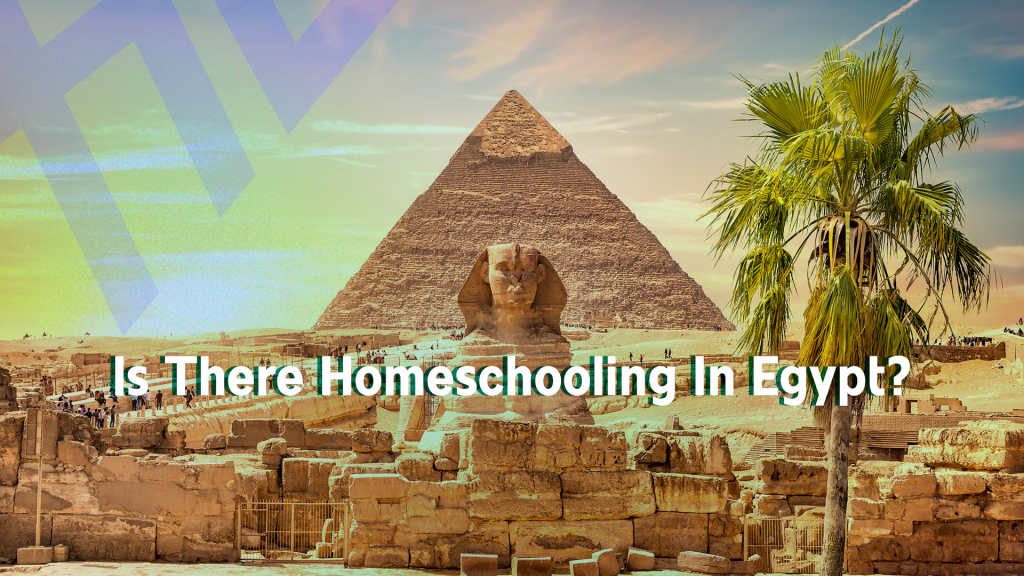
Introduction to Homeschooling in Egypt
In recent years, Egypt has seen a growing interest in alternative education formats, with homeschooling emerging as a viable option for many families. Amidst the bustling cities and rich historical landscapes, Egyptian parents are increasingly seeking personalized and flexible education solutions for their children. This surge in interest brings to light numerous questions about the legalities, educational resources, and cultural integration of homeschooling within the Egyptian context.
Understanding the Legal Framework
One of the most pressing concerns for parents considering homeschooling in Egypt is understanding the legal requirements. Unlike traditional schooling systems, homeschooling operates in a unique legal domain. In Egypt, the educational system is governed by standardized policies; however, the laws pertaining to homeschooling remain relatively ambiguous. This ambiguity leads many parents to wonder: Is homeschooling legally recognized in Egypt? For those seeking clarity, resources like the Home School Legal Defense Association (HSLDA) provide essential guidance and updates on homeschooling laws and rights within the country.
Navigating the Egyptian Educational System
The Egyptian educational system is known for its rigorous standards and structured curriculum. Transitioning from this conventional system to homeschooling requires a deep understanding of educational methodologies and curriculum development. Parents need to ensure that their chosen homeschool curriculum aligns with educational standards while also catering to their child’s individual learning needs. This transition can be daunting, but with the right resources and planning, it can lead to a more tailored and effective educational experience.
Alternative Education: A Cultural Perspective
Incorporating alternative education methods into the homeschooling curriculum allows for a more diversified learning experience. Egypt’s rich cultural heritage presents an opportunity to integrate unique historical and cultural lessons into the daily learning schedule. However, aligning these lessons with traditional Egyptian values and cultural norms can be challenging. It requires a delicate balance to maintain the cultural essence while providing a comprehensive educational experience.
The Role of Parental Guidance in Homeschooling
Parental guidance plays a pivotal role in the success of homeschooling. In Egypt, where family values hold significant importance, homeschooling allows parents to take an active role in their children’s education. This involvement goes beyond mere supervision; it involves curating a curriculum that reflects the family’s values, addresses the child’s learning styles, and incorporates the richness of Egyptian culture and history.
Setting Curriculum Standards
Determining curriculum standards is another crucial aspect of homeschooling in Egypt. Parents must navigate through various educational resources to create a curriculum that not only meets academic standards but also fosters personal growth and curiosity. This process can be overwhelming, but utilizing online resources and community support can significantly ease the burden. Platforms like TheHomeSchoolMom, which offers lesson plans and resources tailored to an Ancient Egypt unit study, can be invaluable for parents crafting their homeschooling curriculum.
Social Interaction and Community Engagement
A common misconception about homeschooling is the lack of social interaction. In Egypt, where social bonds and community ties are highly valued, this aspect is particularly significant. Engaging with local homeschooling or educational communities can provide children with the social interaction they need. Websites like World Family Education offer directories of homeschooling groups worldwide, including Egypt, where families can connect and share experiences.
Curriculum Development and Educational Resources in Egyptian Homeschooling
Crafting a Comprehensive Homeschooling Curriculum
The cornerstone of effective homeschooling in Egypt lies in developing a well-rounded and dynamic curriculum. This involves not only adhering to curriculum standards but also customizing content to fit the child’s learning pace, interests, and the family’s educational goals. While Egypt’s rich history and culture provide a fertile ground for diverse learning experiences, aligning these with educational benchmarks requires diligence and creativity from parents.
Utilizing Local and Online Resources
In the realm of homeschooling, the internet is an invaluable ally. Educational resources ranging from ancient Egyptian history to modern science can be accessed with a click. Platforms like Homeschool Giveaways become treasure troves for parents, offering unit studies, activities, and educational materials tailored to various subjects including Egypt. Leveraging these resources allows parents to enrich their homeschooling curriculum with a blend of global knowledge and local culture.
Embracing the Digital Age: Online Schooling Options
With the advancement of technology, online schooling has become a significant component of homeschooling in Egypt. Digital platforms offer structured courses across a wide range of subjects, providing flexibility and access to global educational standards. This digital shift enables Egyptian homeschoolers to supplement their curriculum with international content, facilitating a comprehensive education that bridges local traditions and global perspectives.
The Importance of Cultural Integration
While integrating global educational materials, maintaining a connection to Egyptian culture and heritage is crucial. Cultural norms and values should be woven into the curriculum to foster a sense of identity and belonging. This integration helps students appreciate their heritage while gaining a global outlook, preparing them for a diverse and interconnected world.
Nurturing Social Skills and Community Involvement
Overcoming Socialization Challenges
One of the primary challenges faced by homeschooling families in Egypt is ensuring adequate social interaction. Contrary to popular belief, homeschooling does not equate to isolation. Parents can facilitate socialization through group activities, sports, arts, and community service, allowing children to develop interpersonal skills and friendships outside a traditional classroom setting.
Engaging with Learning Communities
Learning communities play a pivotal role in the homeschooling ecosystem. By connecting with other homeschooling families, parents can exchange resources, organize group activities, and provide a support network. Engaging with communities, both offline and online, enriches the homeschooling experience and fosters a sense of belonging and mutual support.
Tailoring Education to Individual Needs
A significant advantage of homeschooling is the ability to tailor the educational journey to each child’s unique needs. This individualized approach promotes a deeper understanding of subjects, encourages self-paced learning, and helps identify and nurture the child’s strengths and interests. In Egypt, where educational customization is less prevalent in traditional schools, homeschooling offers an opportunity to embrace a more personalized education.
Harnessing Educational Resources for Homeschooling in Egypt
In the realm of homeschooling in Egypt, the wealth of educational resources available can transform the home education experience. With a focus on online platforms and interactive materials, parents can provide a curriculum rich in diversity and engagement. Utilizing platforms like Homeschool Giveaways, parents can find unit studies and activities specifically designed for learning about Egypt’s vast history and culture, integrating a global perspective with national heritage.
Online Schooling: A New Dimension
Online schooling has seen a dramatic increase globally, and Egypt is no exception. This modern educational approach offers structured learning with the flexibility that homeschooling families often seek. It bridges the gap between traditional schooling and home education, providing structured curriculum options designed to cater to various learning styles and needs.
Building Learning Communities in Homeschooling
The importance of learning communities in homeschooling cannot be overstated. These communities offer support, resources, and social interaction crucial for a comprehensive educational experience. In Egypt, finding local homeschooling groups or online forums can provide invaluable support, allowing parents and students to share experiences, resources, and encouragement.
The Significance of Accreditation and Student Assessment
Accreditation and student assessment are pivotal in monitoring and validating the educational journey in homeschooling. They provide benchmarks for student progress and are essential for higher educational opportunities. In Egypt, understanding the local and international accreditation options available for homeschoolers is crucial for ensuring that students meet educational standards and have their achievements recognized.
Navigating Cultural Norms and Educational Expectations
Incorporating cultural norms and expectations into the homeschooling curriculum ensures that students receive an education that is both globally competitive and culturally relevant. This balance helps students to remain connected to their heritage while being prepared for global opportunities. Tailoring the homeschooling experience to respect and reflect Egyptian culture while embracing global educational standards can be challenging but is deeply rewarding.
Conclusion: The Homeschooling Journey in Egypt
Homeschooling in Egypt represents a journey of educational exploration, cultural integration, and personalized learning. As parents navigate legal frameworks, curriculum standards, and social dynamics, they pave the way for a unique educational path tailored to their children’s needs. The growth of homeschooling in Egypt reflects a broader trend towards seeking alternative education methods that honor personal values, cultural identity, and individual learning styles.
The success of homeschooling in Egypt relies on a combination of parental dedication, community support, and access to quality resources. By leveraging the wealth of information available online, engaging with local and global homeschooling communities, and adhering to educational standards, parents can provide their children with an enriching and holistic education.
In embracing homeschooling, Egyptian families embark on an educational adventure that is as rich and diverse as the country’s history. The journey is filled with challenges and triumphs, but with the right resources and community support, homeschooling can be an immensely rewarding experience, shaping learners who are not only academically accomplished but also culturally aware and globally prepared.
Remember, the key to successful homeschooling lies in the blend of rigorous academic standards, cultural relevance, and personal growth. As more Egyptian families embark on this journey, they contribute to a growing narrative of alternative education that is adaptable, inclusive, and forward-thinking.